
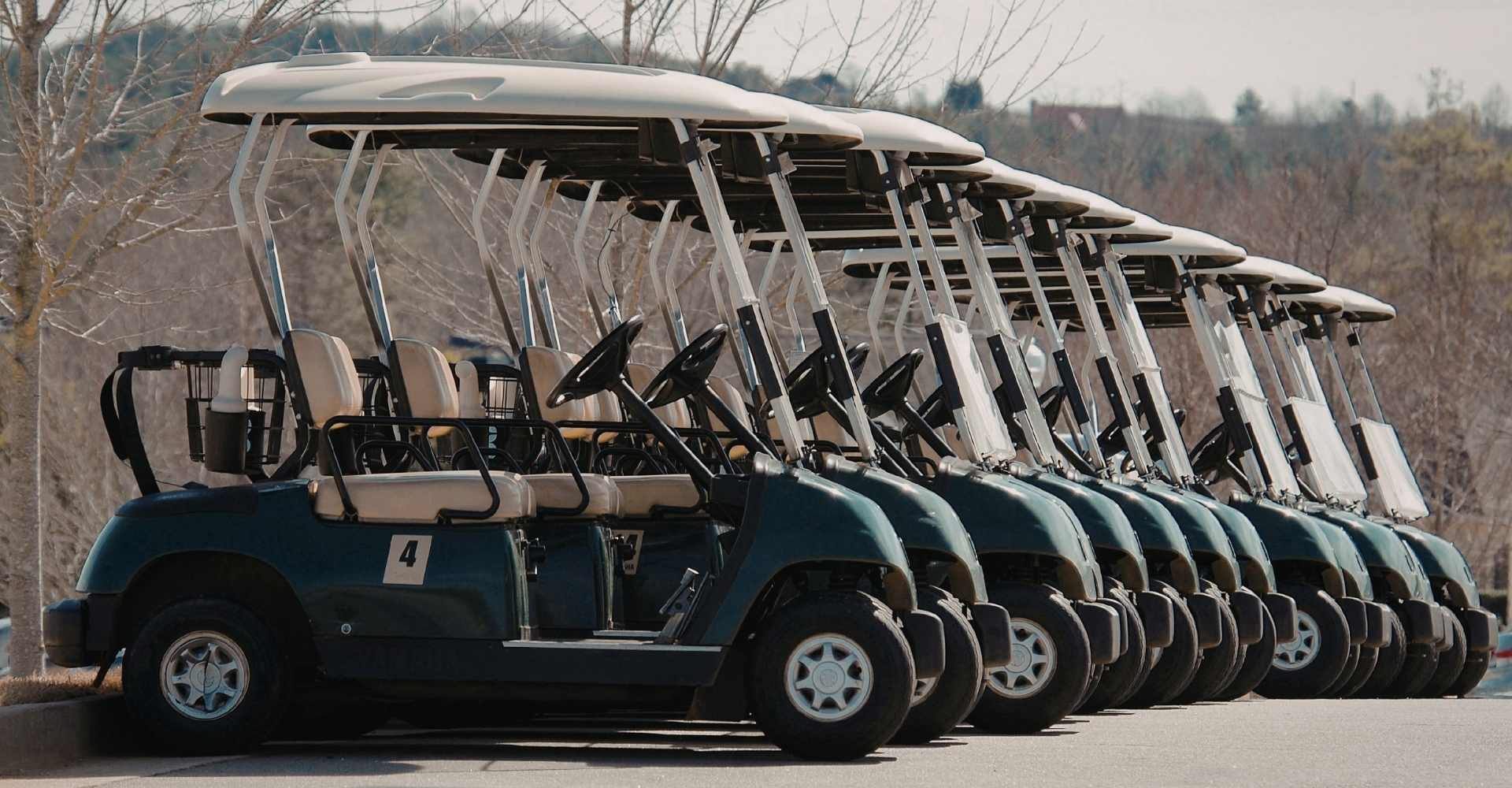
Managing internal transport across a large campus, resort, or industrial facility is a genuine operational challenge that most businesses underestimate until it becomes a daily problem. Staff cover long distances on foot. Guests wait longer than they should. Cargo moves slowly. All of this chips away at productivity and experience in ways that are hard to quantify but easy to feel. An electric golf cart addresses all of this at once. Clean, quiet, efficient, and built for repeated daily use, these vehicles are replacing petrol alternatives across Indian industries at a pace that makes sense given rising fuel costs and tightening environmental expectations. Choosing the right one, however, takes more than browsing golf carts for sale and picking a model that looks reasonable.
Understanding Your Business Requirements
The starting point is not the cart. It is the job the cart needs to do. A resort moving guests between reception and cottages needs a vehicle that is comfortable, presentable, and easy to board. A factory shifting materials between production zones needs load capacity and chassis strength. An airport terminal serving passengers with mobility needs has an entirely different set of requirements. Getting this wrong at the start leads to a vehicle that underperforms, overworks itself, and costs more to maintain than it should. Before exploring any electric golf cart for business options, work through these questions:
-
How many passengers or how much cargo will the cart carry per trip?
-
What does your internal terrain look like, whether paved paths, slopes, gravel, or mixed surfaces?
-
How many hours per day will the vehicle operate, and is there a dedicated charging point on site?
-
Do you need a single vehicle or a mixed fleet for different tasks?
India's operating conditions are specific. Intense summer heat stresses batteries harder. Monsoon moisture affects electronics that are not properly sealed. Uneven internal roads wear out suspension faster than standard specs account for. Thinking through these factors before purchase protects your investment from the start.
Types of Electric Golf Carts Available
Once your requirements are clear, matching them to the right vehicle type becomes straightforward.
| Cart Type | Best For | Configuration |
|---|---|---|
| Passenger Golf Cart | Resorts, hotels, gated communities | 2, 4, 6, 8-seater |
| Electric Utility Vehicle | Factories, warehouses, airports | Cargo bed variants |
| Electric Golf Buggy | Golf courses, eco-tourism zones | 2 to 4-seater |
| Mini Electric Vehicles | IT parks, institutions, and campuses | Compact multi-use |
An electric golf buggy is suitable for leisure and guest transport on smooth, marked pathways. An electric utility vehicle handles cargo and operational loads on rough terrain. Businesses with mixed transport needs often run both configurations under a single service agreement, which is where working with an experienced golf cart manufacturer in India makes a practical difference.
Key Features to Consider Before Buying
-
Battery Technology
Lithium-ion batteries are faster, lighter and have a longer range than EV tubular batteries. Lithium-ion offers greater cost-efficiency across the life of the vehicle for fleets operating several shifts a day. While tubular batteries have lower up-front costs, they need to be replaced more often.
-
Suspension and Terrain Compatibility
Even private internal roads have speed bumps, ramps, and uneven concrete. A cart without adequate suspension rattles passengers, wears components faster, and costs more to keep running. Solid ground clearance and a chassis engineered for real Indian terrain are features worth prioritising, not optional upgrades.
-
Safety Equipment
For any e-cart vehicle used in a commercial setting, the following are non-negotiable: seatbelts, hydraulic brakes, parking brakes, headlights, taillights, and rearview mirrors. High-traffic industrial environments benefit from additional features like roll cages and weather enclosures.
-
Customisation
Customised solutions are not always the best. Bodywork, seats, cargo racks and body styles will all need to be customised, requiring an OEM that offers customisation. Be sure this is the case when buying.
Electric Golf Cart Specifications That Matter
When evaluating an electric golf cart for daily commercial use, these are the specifications that determine real-world performance:
-
Range Per Charge:
At least 60 km for single-shift operations, with higher-capacity models covering over 100 km.
-
Cruise Speed:
Around 25 km/h is standard and appropriate for controlled campus or resort environments. /p>
-
Motor Torque:
Sufficient torque handles inclines and loaded trips without straining the drivetrain over time.
-
Charging Time:
Faster charging reduces vehicle downtime, which matters significantly for fleets running consecutive shifts.
For electric utility vehicles, Indian businesses deploy in heavy-duty settings, also checking payload capacity, tyre specifications, and chassis load ratings separately from passenger cart specs.
Choosing a Reliable Electric Golf Cart Manufacturer
The manufacturer matters as much as the vehicle itself, and this is the part buyers most often overlook.
- Designed and engineered in India. An Indian-market cart is built to withstand the heat, dust, humidity and rough roads. Foreign-spec vehicles often fail to work well in the first year of use.
- Regulatory compliance. Carts for commercial use in designated areas must comply with ARAI and ICAT norms. Going with a manufacturer who builds in line with Indian standards will avoid regulatory issues.
- After-sales support. The availability of spare parts, the coverage of service outlets and the Annual Maintenance Contracts determine your fleet's time to return to service. After-sales is not an optional extra, but a must-have.
Sutlej Automotives has been producing electric golf carts since 1935, and is one of the most seasoned players in the Indian commercial golf cart industry. From mini electric golf carts for campus transportation to full-fledged electric utility vehicles for industrial applications, they design solutions for India and have a support network across the country. For a single electric golf cart or a diverse fleet, their experts design to suit rather than sell the nearest product.
Benefits of Using Electric Golf Carts for Business
Switching to electric internal transport delivers advantages that go beyond environmental compliance.
-
Lower Running Costs:
Electric motors cost far less per kilometre to operate than petrol or diesel vehicles, and the savings scale with fleet size.
-
Zero On-Site Emissions:
Closed campuses, indoor transportation hubs and green neighbourhoods require an air-quality-friendly transport system.
Quiet Operation:
Near-silent performance is a practical requirement in hospitality, healthcare, and premium residential settings where noise directly affects the guest and resident experience.
-
Low Maintenance:
No oil, no filters, no mufflers. Electric motors have fewer parts and need less maintenance.
-
Fleet Management:
Fleets can be serviced under a single contract for different equipment configurations from a single manufacturer, simplifying fleet management.
Drive Smarter with Sutlej Automotives
Choosing the wrong vehicle for your operations is an expensive lesson that takes months to surface. The better approach is to have a direct conversation with a manufacturer that has built these vehicles for Indian businesses across sectors for nearly nine decades. Sutlej Automotives offers golf carts for sale across India, from two-seater passenger models to cargo-configured electric utility vehicles, with customisation options and after-sales support built into every purchase. If you are ready to buy golf cart solutions built for real Indian operating conditions, contact their sales team today and get a quote tailored to your specific requirements.

Sutlej Automotives
Driving Sustainable Mobility in India

