
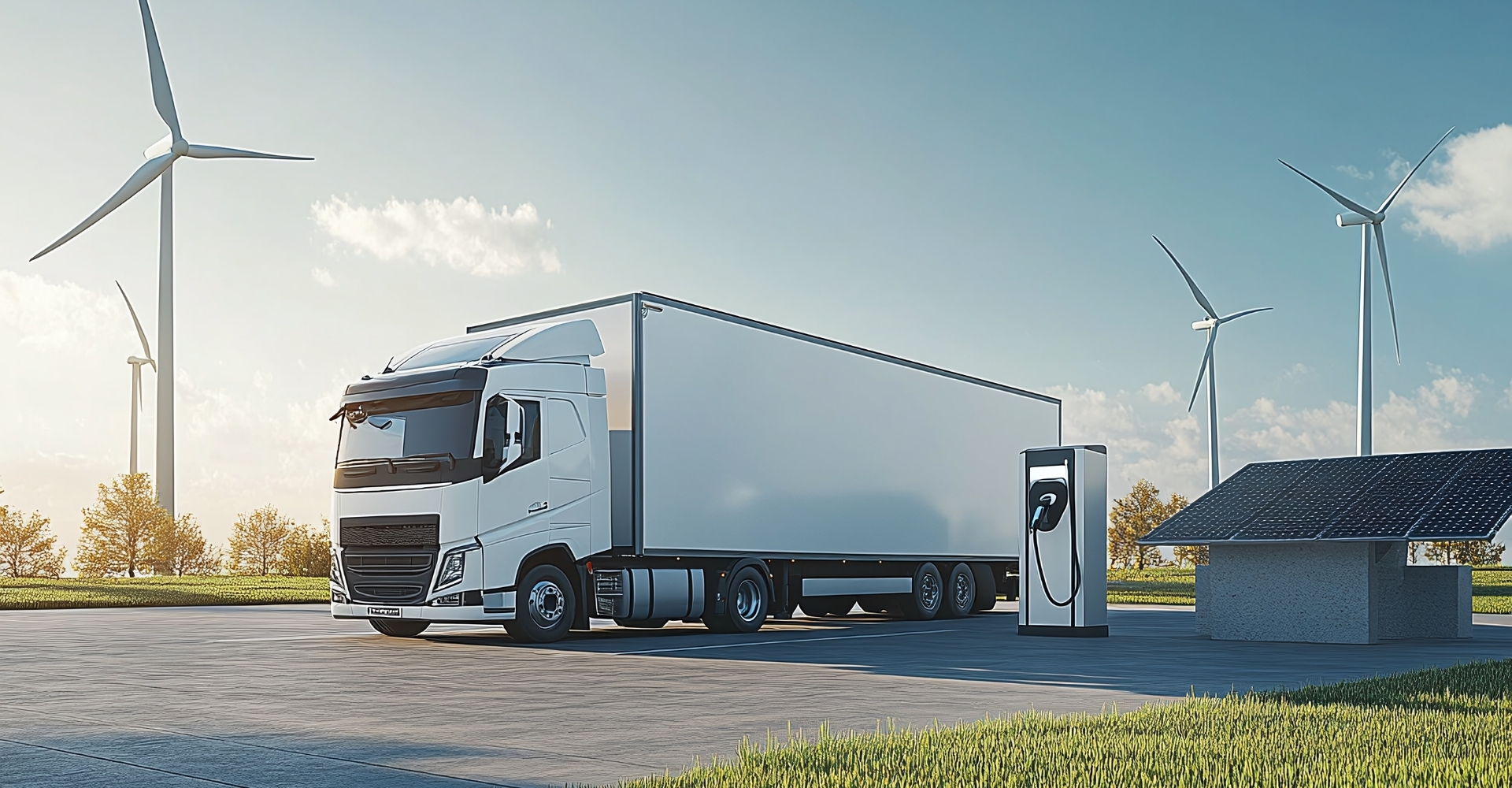
Moving goods inside a facility sounds simple on paper. In practice, it quietly drains money through fuel, servicing, and breakdowns every single day. Businesses running internal logistics on diesel cargo vehicles carry a cost burden that compounds without ever showing up cleanly on a single invoice. The battery-operated cargo vehicle changes that. Built for short-distance cargo movement within warehouses, industrial estates, campuses, and airports, these vehicles cost far less to run and maintain. Sutlej Automotives, with over 90 years of manufacturing experience, builds its Cargo range specifically for Indian conditions, with the 2S, 4FF, and 6FF variants ready for facilities of every size.
Why Businesses Are Switching to Electric Cargo Vehicles for Business
TFuel-based cargo vehicles were the default for decades because there was no practical alternative. That is no longer true. The problems with conventional diesel or petrol cargo fleets are well understood by anyone who runs one:
- Fuel costs are unpredictable and spike with no warning, disrupting logistics budgets
- Engine servicing is frequent, pulls vehicles off the floor, and adds up quickly across a fleet
- Diesel and petrol engines are not permitted in enclosed spaces such as hospital buildings, airport terminals, or institutions where emissions pose a safety concern.
- Noise from fuel engines affects worker comfort on production floors and in warehouse environments.
- Environmental compliance pressure is increasing, and fuel vehicles are directly in the frame.
An electric cargo vehicle in India does not just sidestep these problems. It removes most of them from the equation entirely. The running cost is lower because charging costs a fraction of fuelling. Maintenance is lighter because fewer components wear down. And the vehicle can operate in zones where a fuel-powered engine is simply not permitted.
Key Ways Battery-Operated Cargo Vehicles Reduce Operational Costs
-
Lower Daily Running Costs
Charging a battery-operated cargo vehicle overnight costs significantly less than fuelling a diesel equivalent for the same distance. For facilities where cargo vehicles run multiple shifts each day, this saving adds up to a real financial difference over a year of operations.
-
Reduced Servicing Requirements
A petrol or diesel engine is a collection of interdependent components, each of which can fail: pistons, fuel injectors, timing belts, radiators, and exhaust systems. An electric utility vehicle replaces all of that with a motor, a battery, and a controller. Sutlej's Cargo vehicles use Italian premium controllers paired with lithium-ion batteries, a drivetrain with fewer failure points and longer service intervals.
-
Predictable Costs Over Time
Fuel prices shift with every external economic change. Battery degradation, by contrast, is gradual and trackable. Sutlej offers both EV tubular and lithium-ion battery options across the Cargo range, and with proper charging habits, these batteries deliver consistent performance over years of daily use. A business can budget its logistics costs accurately, which is simply not possible when fuel prices are a variable beyond its control.
-
No Indoor Use Restrictions
Many facilities, including airport terminals, hospital buildings, cold-storage warehouses, and educational institutions, do not permit fuel-engine vehicles inside. An e-cart vehicle or mini electric vehicle produces no emissions at the point of use, which means it can operate in environments that are completely off-limits to diesel alternatives.
Cost Comparison: Electric vs Fuel-Based Cargo Vehicles
| Cost Category | Fuel-Based Vehicle | EV Cargo Vehicle |
|---|---|---|
| Daily Running Cost | High, fuel-dependent | Low, electricity-based |
| Servicing Frequency | Regular, multiple parts | Minimal, fewer components |
| Indoor Use Permitted | No | Yes |
| Emission Compliance Risk | Present | None |
| Noise in the Work Environment | High | Near-silent |
| Budget Predictability | Low | High |
The cost savings from electric cargo vehicles do not appear in a single line item. They build across fuel, servicing, compliance, and avoiding downtime over months and years of operation.
Industry Use Cases of Battery-Operated Cargo Vehicles
The Sutlej Cargo ranges across a broad range of industries that any business operating at scale in India will recognise.
- Factories and warehouses run EV cargo vehicles across production floors without fumes or excessive noise, improving safety and air quality in enclosed spaces.
- Educational and Corporate Campuses use mini electric vehicles to move supplies and equipment across large grounds where conventional vehicles are impractical.
- Airports and Railway Stations require vehicles that work inside restricted terminal spaces. The electric golf buggy and cargo vehicle from Sutlej handle baggage and supply logistics cleanly and quietly.
- Hospitals and Healthcare Facilities rely on the e-cart vehicle for cargo movement that introduces no noise or emissions into sensitive environments.
- Resorts and Hotels benefit from a battery-operated cargo vehicle that keeps behind-the-scenes operations quiet across any terrain the property presents.
Choosing the Right Battery-Operated Cargo Vehicle
Sutlej offers the Cargo range in three core configurations: the 2S for lighter applications, the 4FF for mid-range cargo needs, and the 6FF for higher-capacity operations. All three run on a 48V AC motor, lithium-ion batteries, and an Italian premium controller. For operations with specific requirements outside these configurations, Sutlej designs and builds custom electric utility vehicles to specification. In choosing a model, evaluate the weight of cargo you carry each day, the distance you travel per shift and the terrain you deal with. Sutlej's suspension absorbs road shocks without spilling loads. Annual Maintenance Contracts and genuine spare parts nationwide ensure timely repairs.
Sutlej Automotives: 90 Years of Building What Indian Operations Actually Need
Running internal logistics on a battery-operated cargo vehicle is a straightforward decision once the costs are compared. Lower fuel and servicing expenses, zero-emission compliance concerns, and the flexibility to operate anywhere within a facility make for a vehicle that works harder and costs less over time. Sutlej Automotives has been building vehicles since 1935, and the Cargo range is backed by a nationwide service network that keeps fleets operational. Talk to the Sutlej team about the right EV cargo vehicle for your facility. Get a Free Quote and get a configuration built around your operation.

Sutlej Automotives
Driving Sustainable Mobility in India

